Enhancing Wildfire Safety Measures for Your Community
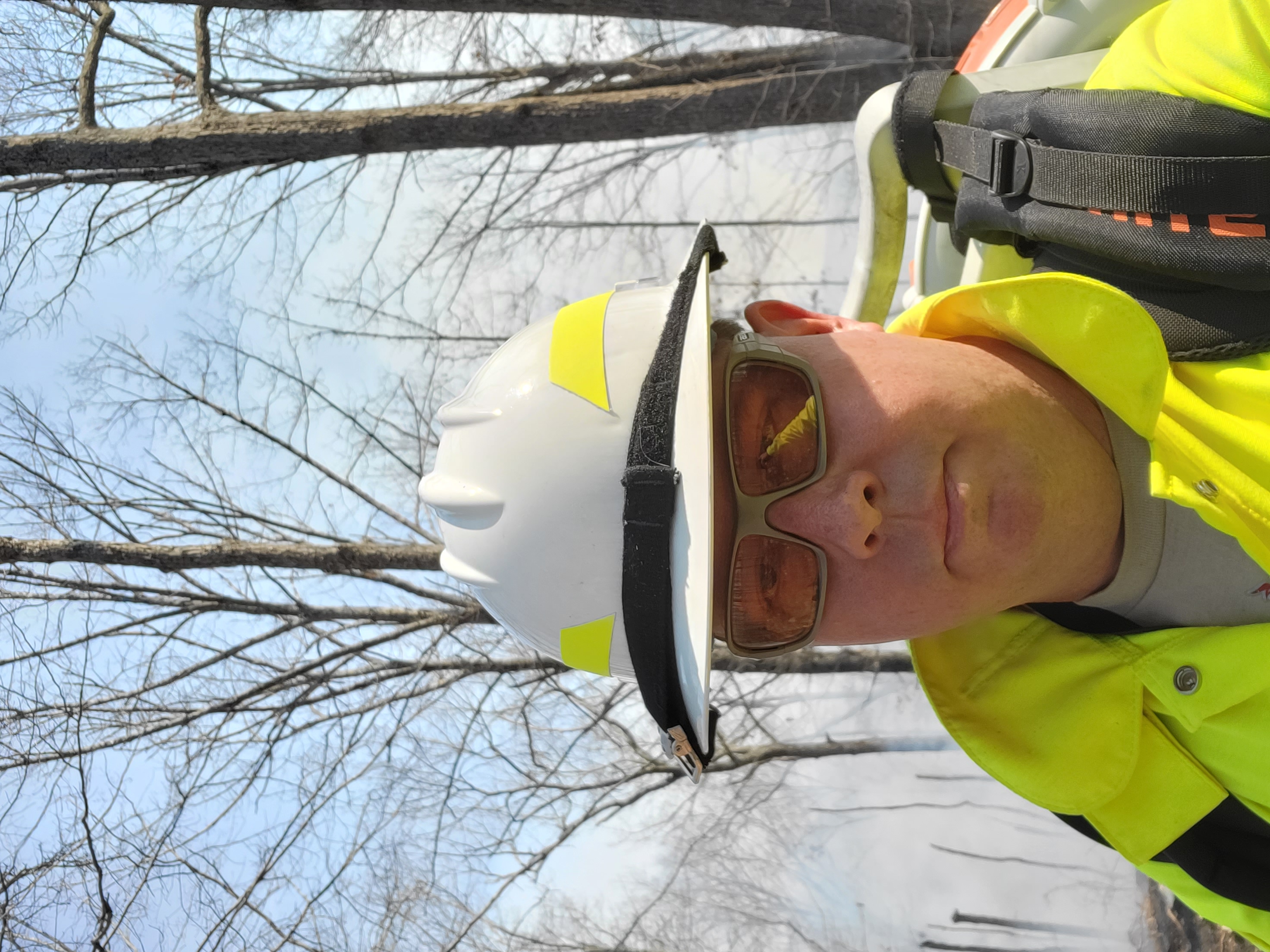
Wildfires can sweep through landscapes like a fierce storm, leaving destruction in their wake. For communities, developers, landowners, and organizations in fire-prone areas, understanding how to enhance wildfire safety measures is crucial. These measures act as a shield, reducing risks and protecting lives, homes, and natural resources. Here, we'll explore practical steps and strategies to build stronger defenses against wildfires, helping communities adapt and thrive in the face of fire.
Understanding Wildfire Safety Measures
Wildfire safety measures are the building blocks of community resilience. They include actions taken before, during, and after a wildfire to minimize damage and ensure safety. These measures range from creating defensible spaces around properties to implementing prescribed fires that reduce fuel loads.
Key wildfire safety measures include:
Defensible Space Creation: Clearing vegetation and combustible materials around homes and buildings to create a buffer zone.
Fire-Resistant Building Materials: Using materials that resist ignition, such as fiber-cement siding, metal roofs, and tempered glass windows.
Community Evacuation Plans: Developing clear, practiced evacuation routes and communication systems.
Vegetation Management: Regularly thinning forests and removing dead trees, brush, and grass to reduce fire intensity.
Prescribed Fires: Carefully planned fires that remove excess fuel and promote healthy ecosystems.
By combining these measures, communities can reduce the chance of wildfires spreading uncontrollably and increase the safety of residents and property.

Practical Steps to Implement Wildfire Safety Measures
Implementing wildfire safety measures requires a coordinated effort. Here are actionable recommendations for communities and landowners:
Assess Your Property’s Risk: Start by evaluating the landscape and identifying areas with dense vegetation or dead plant material. Use local fire risk maps and book a consultation with us!
Create Defensible Space: Remove flammable plants (e.g. Junipers/Arbor Vitae), firewood, and debris to at least 30 feet away from structures. Trim tree branches so they are at least 10 feet from chimneys and roofs, and at least 6 feet from the ground. Space trees and shrubs so they are at least 10 feet apart at their closest point.
Use Fire-Resistant Landscaping: Choose native plants that are less likely to ignite, such as succulents or fire-resistant ground cover. Grounded Truths can help you select native, fire-safe trees, shrubs, ground cover, and grasses.
Maintain Regular Vegetation Management: Schedule annual clearing of brush and dead trees. Clear leaves and pine needles from roof, gutters, and within 5 feet of the sturcture.
Install Fire-Resistant Building Features: Replace wooden fences with metal or masonry, and install spark arresters on chimneys.
Develop and Practice Evacuation Plans: Ensure all community members know evacuation routes and have emergency kits and "Go Bags" ready.
Engage in Prescribed Fire: Work with local fire authorities and specialists like Grounded Truths to plan and execute prescribed fires that reduce fuel loads safely.
These steps, when followed consistently, create a layered defense that can slow or stop wildfire spread.

The Role of Community Collaboration in Wildfire Safety
Wildfire safety is not a solo effort. It requires collaboration among neighbors, local governments, fire departments, and environmental organizations. When communities work together, they can share resources, knowledge, and manpower to create safer environments.
Ways to foster community collaboration include:
Neighborhood FireWise/Fire Adapted Communities Programs: Groups that educate residents and coordinate wildfire preparedness activities.
Joint Vegetation Management: Coordinated clearing and maintenance of shared spaces and wildland-urban interfaces.
Community Emergency Response Teams (CERT): Training volunteers to assist during wildfire emergencies.
Public Awareness Campaigns: Using local media and events to spread wildfire safety information.
By building a network of informed and prepared individuals, communities become stronger and more resilient against wildfire threats.
Integrating Nature-Friendly Wildfire Solutions
Nature can be both a threat and an ally in wildfire management. Smart, nature-friendly solutions work with the environment to reduce fire risks while supporting ecosystem health.
Examples of nature-friendly wildfire solutions:
Prescribed Fire: Mimicking natural fire cycles to clear underbrush and promote new growth.
Restoring Native Plant Communities: Using fire-resistant native plants that reduce fuel loads.
Creating Firebreaks with Natural Barriers: Utilizing rivers, rocky terrain, or roads to slow fire spread.
Promoting Healthy Forest Management: Thinning overgrown forests to reduce competition and fire intensity.
These approaches balance wildfire safety with ecological preservation, ensuring that landscapes remain vibrant and resilient.
Communities, developers, and landowners can benefit from partnering with experts who understand both fire science and ecological principles. This partnership helps design wildfire safety measures that protect people and nature alike.
Taking the Next Step Toward Safer Communities
Enhancing wildfire safety measures is a continuous journey. It requires vigilance, education, and proactive planning. By embracing practical steps, fostering collaboration, and integrating nature-friendly solutions, communities can build a robust defense against wildfires.
For those seeking expert guidance, Grounded Truths offers tailored strategies that fit local conditions and community needs. These solutions help transform fire-prone areas into safer, healthier places to live.
Remember: wildfire safety is like building a fortress - every brick counts. Start today by assessing risks, clearing defensible spaces, and working together for yourself and your neighbors.

Comments