Wildfire Risk Reduction Tips: Strategies for Safer Communities and Healthier Landscapes
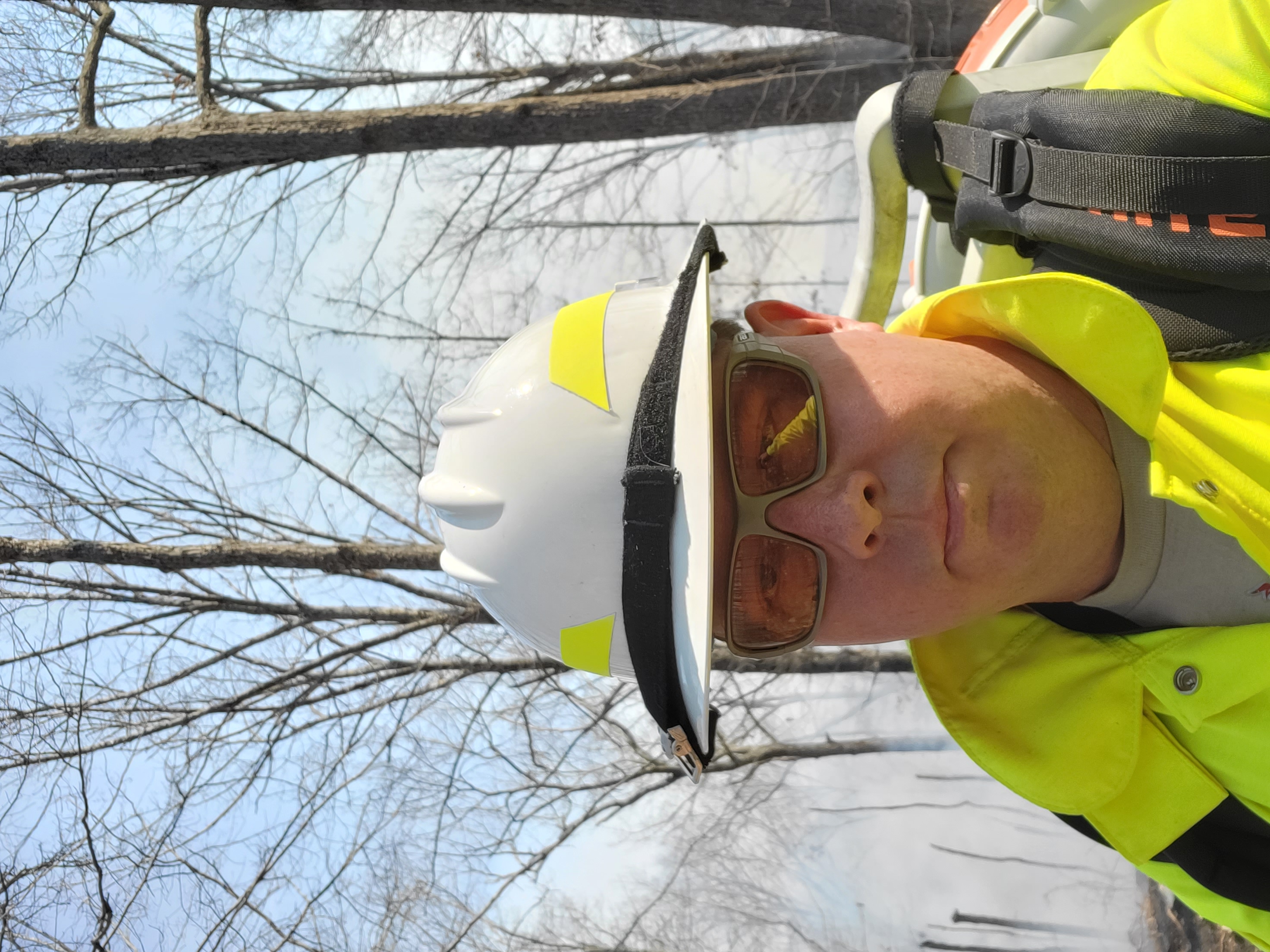
Wildfires can sweep through landscapes like a fierce storm, leaving destruction in their wake. For communities, developers, landowners, and organizations, understanding how to reduce wildfire risk is like building a sturdy dam against a rising flood. This article explores practical, nature-friendly strategies to reduce wildfire risk and improve habitat health, focusing on smart approaches such as prescribed fire and landscape management.
Effective Wildfire Risk Reduction Tips for Communities and Landowners
Reducing wildfire risk requires a toolbox of strategies that work together like pieces of a puzzle. Each piece strengthens the overall defense against fire, protecting homes, ecosystems, and lives.
1. Create Defensible Space Around Structures
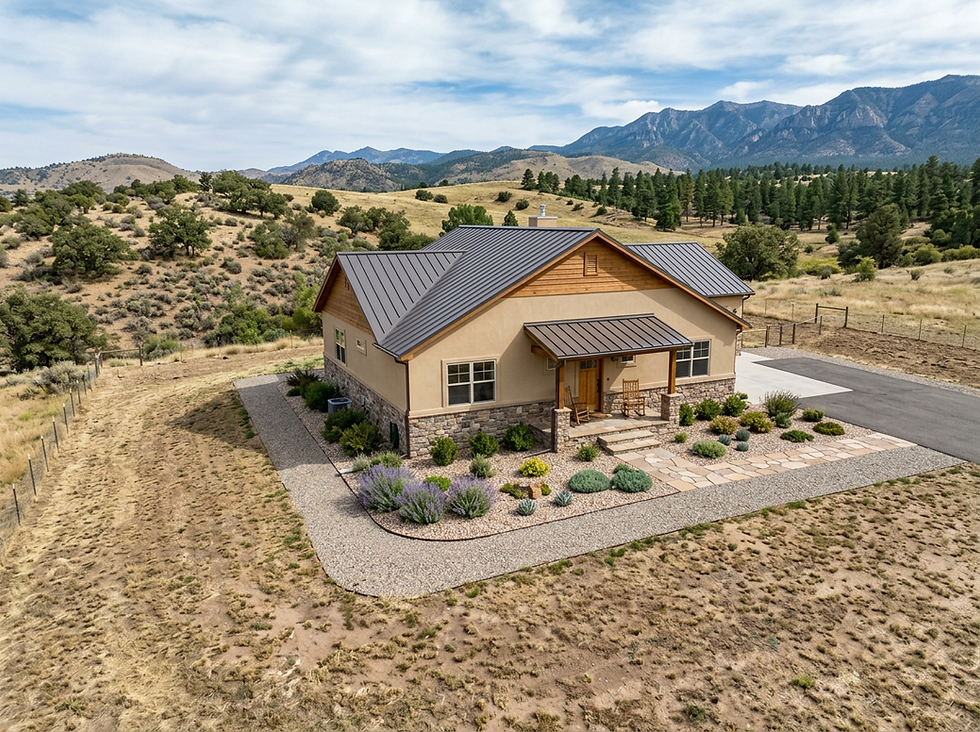
Defensible space is the buffer zone between a building and the surrounding vegetation. It acts like a moat around a castle, slowing or stopping the advance of wildfire.
Clear flammable materials such as dry leaves, pine needles, and dead plants within at least 30 feet of buildings.
Trim tree branches so they are at least 10 feet away from roofs and chimneys.
Maintain low vegetation by mowing grass regularly and removing shrubs that can carry fire.
Use fire-resistant plants in landscaping, such as succulents and native species with high moisture content.
2. Use Prescribed Fire to Manage Vegetation
Prescribed fire is a carefully planned and controlled burn that reduces excess vegetation and mimics natural fire cycles. It is like pruning a tree to keep it healthy and prevent disease.
Prescribed fire reduces fuel loads that can feed wildfires.
It promotes the growth of fire-adapted plants and improves wildlife habitat.
These burns are conducted under specific weather conditions to ensure safety and effectiveness.
Collaboration with fire professionals and local authorities is essential.

3. Build Fire-Resistant Structures and Use Fire-Safe Materials
The materials and design of buildings can either invite fire or repel it like a shield.
Use non-combustible roofing materials such as metal, tile, or asphalt shingles.
Install dual-pane or tempered glass windows to resist heat.
Enclose eaves, vents, and decks to prevent embers from entering.
Regularly clean gutters and roofs to remove debris.
4. Implement Community-Wide Fire Prevention Plans
Wildfire risk reduction is most effective when neighbors work together like a well-coordinated team.
Develop and practice evacuation plans.
Establish community fire breaks by clearing vegetation along roads and property lines.
Share information about fire danger levels and preparedness.
Encourage local governments to support fire-safe building codes and land-use planning.
What's in our future with wildfire?
Predicting wildfire seasons is like reading the weather weeks in advance - uncertain but informed by patterns. Several factors influence the severity of fire seasons:
Weather conditions: Hot, dry, and windy weather increases fire risk.
Drought levels: Prolonged drought dries out vegetation, making it more flammable.
Fuel accumulation: Years without fire or vegetation management lead to heavy fuel loads.
Human activity: Increased development in fire-prone areas raises ignition chances.
Fire planners use satellite data, climate models, and historical trends to forecast fire risk. While no one can say for sure what's in our fire-future, ongoing drought and warming trends suggest vigilance is necessary. Communities and landowners should continue to implement wildfire risk reduction strategies to prepare for any scenario.

The Role of Landscape Management in Wildfire Risk Reduction
Landscape management is more than aesthetics; it is a frontline defense against wildfire. Thoughtful planning can slow fire spread and protect property.
Zoning vegetation: Arrange plants in zones based on flammability. Keep low-flammability plants near buildings.
Spacing trees and shrubs: Create breaks between plants to prevent fire from jumping.
Hardscaping: Use gravel, stone paths, and patios as firebreaks.
Water features: Ponds and fountains can act as natural fire barriers and provide emergency water sources.
How Technology Supports Wildfire Risk Reduction
Technology is a powerful ally in the fight against wildfire, providing early warnings and data-driven insights.
Remote sensing and drones monitor vegetation health and fire activity.
Weather stations provide real-time data on conditions that affect fire risk.
Fire modeling software helps predict fire behavior and plan mitigation.
Mobile apps alert residents to fire danger and evacuation orders.
Integrating technology with traditional methods enhances preparedness and response, making communities more resilient.
Taking Action: Steps to Start Reducing Wildfire Risk Today
Starting wildfire risk reduction can feel overwhelming, but small steps build momentum.
Assess your property for fire hazards.
Clear debris and maintain defensible space.
Consult with fire professionals about prescribed fire and vegetation management.
Engage with neighbors to coordinate efforts.
Stay informed about local fire regulations and alerts.
By taking these actions, communities and landowners can create safer environments that coexist with natural fire cycles.
Wildfire risk reduction is a shared responsibility that requires knowledge, planning, and cooperation. Like tending a garden to prevent weeds from taking over, managing landscapes and structures thoughtfully can keep fire risks low and habitats healthy. Embracing nature-friendly solutions such as prescribed fire and fire-resistant design helps build a future where people and ecosystems thrive together.
For more detailed guidance and support on wildfire risk reduction, visit Grounded Truths.


Comments